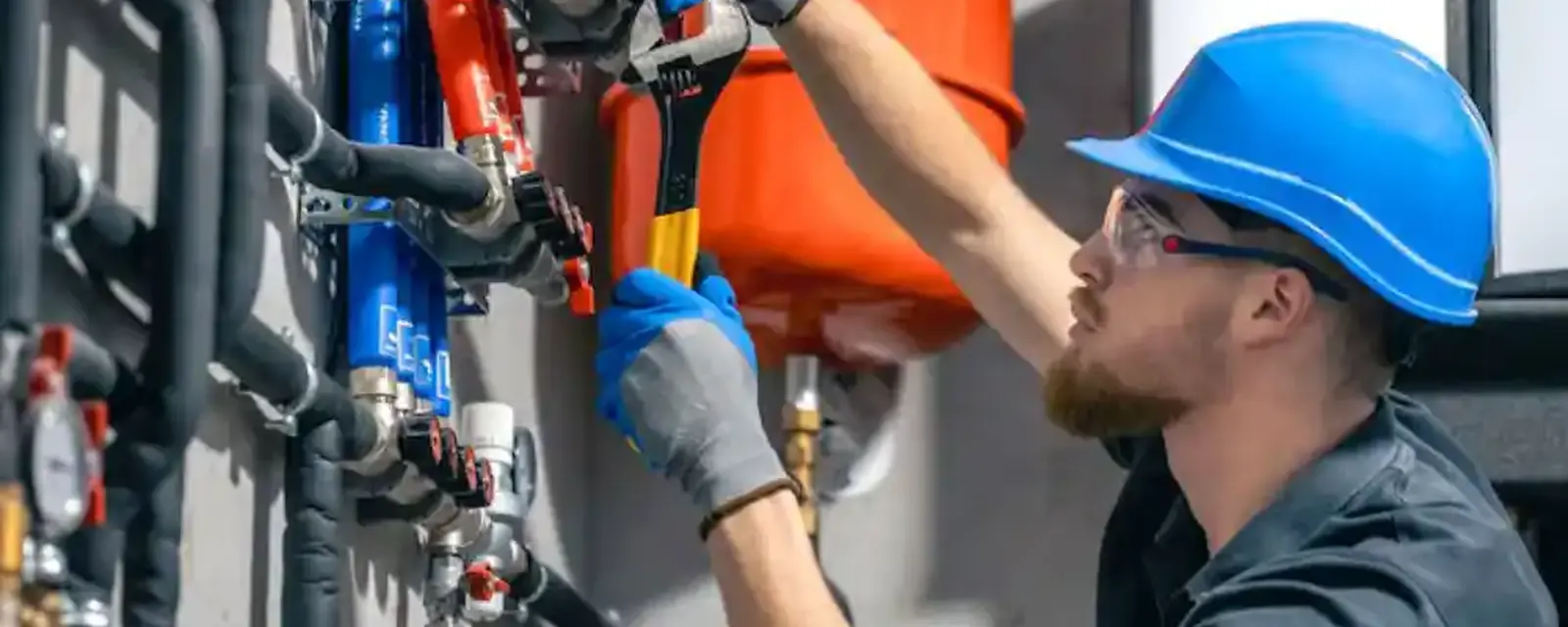
A good boiler repair specialist is a licensed professional who works on heating systems regularly, explains the fault in plain words, and gives you a clear price before work starts. Ask them what they service, what a diagnostic visit includes, and who handles parts if the fix is bigger than expected.
Here is where we stand. Morristown Express Plumbing dispatches licensed plumbers, and plumbers handle the water side of a boiler, including leaks, valves, and supply piping. Before you book anyone for a heating fault, confirm that the contractor handles heating work for your specific system.
By the Morristown Express Plumbing team. Published October 30, 2026. Updated October 30, 2026.
Questions to ask before you book
Ask these on the phone. A clear contractor answers without hedging.
- Do you work on my fuel type and boiler style, such as gas or oil, steam or hot water
- Can you show your state license details so I can verify them
- What does the first visit cover, and what happens if parts are needed
- Will you give a clear price before any work starts
- Do you handle both the heating controls and the water-side plumbing
- Is same-day service available, and is after-hours help offered if the system fails in cold weather
What a repair visit usually involves
The technician starts by asking about symptoms, the age of the boiler, and recent changes. Then they check pressure, water level, the thermostat call for heat, the pump or circulator, and the safety controls. Many faults turn out to be small, such as a stuck valve, low system pressure, or air in the lines.
A visit can end in a repair on the spot, a parts order, or a plain recommendation to replace. A trustworthy specialist tells you which one it is and shows you the failed part.
Boiler symptoms and the right professional
Many heating faults overlap with plumbing, so confirm scope when you call.
| Symptom | Common cause | Who usually fixes it |
|---|---|---|
| Dripping valve or wet floor beneath the boiler | Failed valve or loose fitting | Licensed plumber |
| Cold radiators, boiler runs | Air in the lines or a failing circulator | Heating contractor or plumber, confirm scope |
| No heat, no response from the unit | Control, thermostat, or ignition fault | Heating contractor |
| Low pressure, repeated refills | Hidden leak in the system | Plumber for leak tracing |
| Gas smell | Possible gas leak | Leave, call the gas utility or 911 |
Common symptoms and who handles them
The table below sorts typical problems by the trade most likely to fix them.
Safety situations that come first
If you smell gas, leave the building, then call the gas utility or 911 from outside. Do not flip switches or try to relight anything. Call us only after the area is safe.
A boiler that is leaking steadily, making loud banging, or shutting down repeatedly also needs prompt attention. For active leaks at a pipe or valve, shut off water to the system if you know where the valve is, and book a leak detection visit if the source is not obvious.
When replacement beats another repair
Repeated repairs on an aging boiler add up, and parts for old models can be hard to find. A specialist should walk you through the choice, including how a new unit connects to existing piping and what plumbing installation work it requires.
Ask for the reasoning in writing if you can. If one contractor says replace and another says repair, request a second visit with the failed part in hand before deciding.
Red flags when comparing contractors
Be cautious of anyone who quotes a full replacement over the phone with no visit. Be wary of pressure to decide on the spot, and of vague answers about licensing. A fair contractor is comfortable with you checking their credentials and getting a second opinion.
Also watch for scope confusion. If the company only does plumbing, they should say so. If they only do heating, they should say that too. Clarity up front prevents two trucks and two bills for one problem.
How to prepare for the visit
Write down the model, the age if you know it, and exactly what the boiler did before it stopped. Note any noises, leaks, or error lights. Clear access to the unit and the thermostat. Find the shutoff for the water feed and the gas, and keep paperwork from earlier service nearby.
That information saves time on site, which is often a larger part of the bill than the part itself.
Keeping a boiler out of trouble
Annual service by a qualified heating contractor catches small faults before the first cold week. Between visits, glance at the pressure gauge, watch for drips at valves, and keep the area around the boiler clear. Bleeding radiators and checking the thermostat settings are simple owner tasks.
Do not wait for a failure to learn who services your system. Choose a contractor in a calm month, not in a cold snap.
What good communication looks like
A solid specialist tells you what they found, what it means, and what your options are. They give you the price before they start and call you if the scope changes. They do not use jargon to hide a simple answer.
When we dispatch a licensed plumber for the water side of a boiler problem, you get the same standard. If the fault turns out to be in the burner or controls, we say so rather than guess, and you can then bring in the right heating contractor.
Keep notes from each visit, including dates, findings, and parts replaced. That history helps the next technician, and it helps you judge whether the system deserves another repair.
Seasonal timing
Heating service books up when the first cold week arrives. Calling in early fall gets you a calmer schedule and more choice among contractors. If a failure happens in deep winter, ask about same-day appointments and temporary measures such as safe space heating, while keeping any water pipes from freezing.
Morristown, NJ: verifying a plumber's license
New Jersey plumbers must hold a state master plumber license issued through the State Board of Examiners of Master Plumbers, part of the NJ Division of Consumer Affairs. According to the Division, you can check a license in its online license verification system at njconsumeraffairs.gov, or call the Consumer Service Center at (973) 504-6200.
Ask any plumber for their licence details and check them there before work begins. That applies to every provider you consider, whether you live in Madison, Morris Plains, or inside Morristown itself.
Frequently asked questions
We dispatch licensed plumbers who handle the plumbing side, including leaks, valves, and piping. For heating controls and burners, confirm with the contractor that they handle heating work for your system.
Ask for the fault, the part, and the labor described in plain words, with a clear price before work starts. A second opinion is reasonable for larger repairs.
Repeated breakdowns, hard-to-find parts, and rising fuel use point toward replacement. A single small fault on a system that otherwise runs well usually justifies repair.
Turn off the water feed to the boiler if you can reach the valve, protect the floor, and call. Same-day appointments are available when schedules allow, and 24/7 emergency dispatch covers urgent leaks.
Plumbers often handle the water piping. Gas and burner work depends on the contractor's own qualifications, so ask directly before booking.
Use the Division of Consumer Affairs license verification system at njconsumeraffairs.gov, or call the Consumer Service Center at (973) 504-6200.