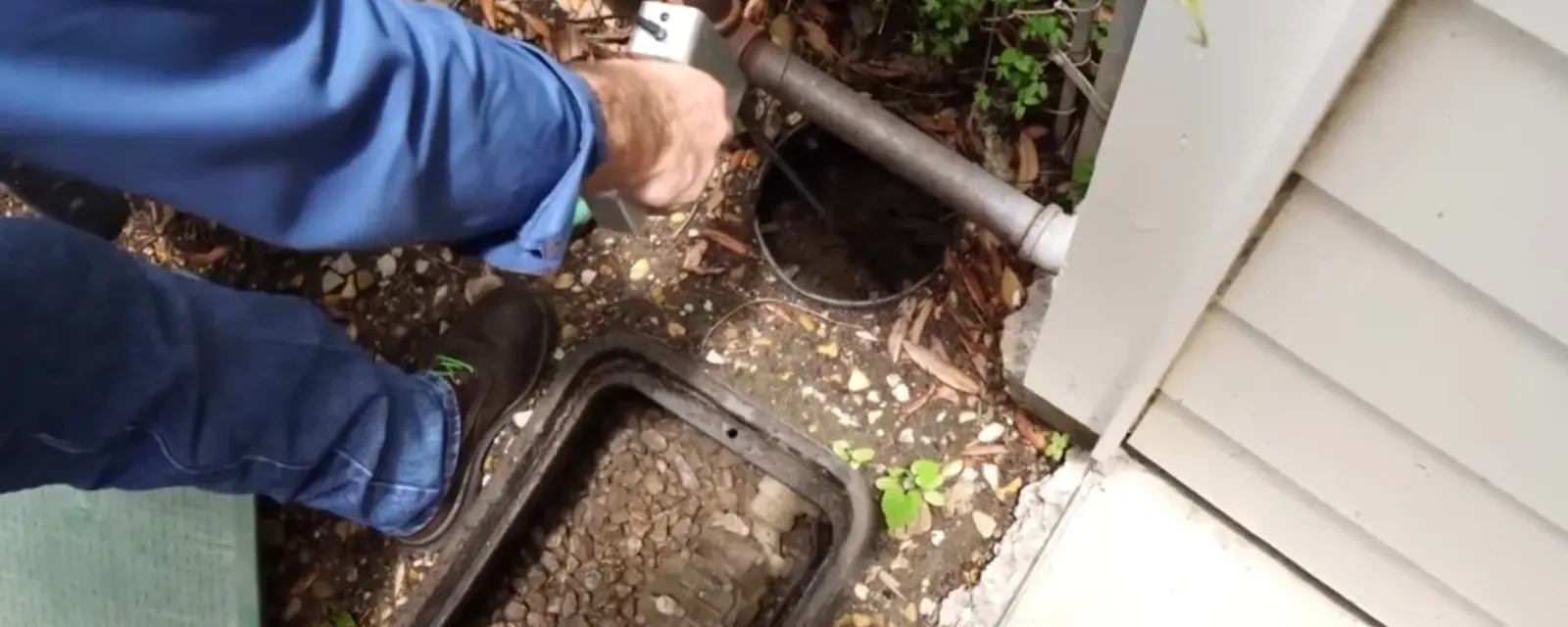
The simplest way to detect an underground water leak is the meter test. Turn off every tap, appliance and ice maker, then watch the leak indicator on your water meter for fifteen minutes. If it keeps moving, water is escaping somewhere between the meter and a fixture, and a buried service line is a prime suspect.
Other signs include a sudden jump in your bill, a soggy patch of lawn on dry days, a drop in pressure and the sound of water when everything is off. A licensed plumber can pinpoint the leak with listening equipment and a camera, so you dig only where needed.
By the Morristown Express Plumbing team. Published October 30, 2026. Updated October 30, 2026.
The meter test, step by step
Do this when nobody is using water, and do it at a quiet time such as early morning so a neighbor's laundry does not confuse the dial.
- Shut off all faucets, the dishwasher, washing machine and ice maker.
- Find your water meter, usually in the basement or in a box near the street.
- Read the dial or note the small leak indicator triangle or wheel.
- Wait fifteen minutes without using any water, then read it again.
- If the number changed or the indicator spun, you have a leak.
- Close the main shutoff valve and recheck. If the meter stops, the leak is inside the house, and if it keeps moving, the leak is before the valve.
Other signs of a buried leak
Look for a wet or unusually green strip of grass, a sinkhole or soft spot, pooled water on pavement when it has not rained, or a warm patch in the ground if the line is hot water. In winter, melted snow over a line is a clue.
Inside, watch for low pressure at every fixture, a damp spot in the basement wall where the line enters, or a hissing sound near the main. Rust-colored water can also point to trouble with the service line.
Clues and what they suggest
Match what you notice to the likely location of the problem.
| Clue | Likely location | First check |
|---|---|---|
| Meter moves with all water off | Service line or hidden pipe | Meter test and main valve test |
| Wet lawn patch on dry days | Buried line near the patch | Mark it and call a plumber |
| Bill jumps with no change in use | Any leak, including toilets | Dye test and meter test |
| Low pressure everywhere | Main line or service line | Check the main valve and meter |
| Damp basement wall near the entry | Line entering the foundation | Inspect and call a plumber |
Is the leak in my line or the utility's
Generally, the utility is responsible up to the meter or curb stop, and the homeowner is responsible after it, but boundaries vary. A call to your water supplier clears up where the line changes hands.
If the leak is between the street and your house, you are usually looking at a service line repair or replacement. If the leak is between the meter and the house, it is on your side. A plumber will find out precisely, then explain options.
Take a photo of the meter and the shutoff before you call. It speeds up the conversation with whichever party owns the line.
Reading your bill and your meter over time
Compare this month's usage with the same month last year. A rise that does not match guests, a new pool fill or a change in routine deserves a look. Write down the meter reading every night for a few days at the same hour, and compare the overnight change.
A steady overnight rise with nobody home points to a continuous leak. A pattern that spikes only when the irrigation runs points to the sprinkler system, which is a different repair.
How professionals find hidden leaks
Technicians start with a pressure test of the line, then use acoustic listening devices that pick up the sound of escaping water through soil and pipe. Thermal imaging can show a warm line, and tracer gas is used on harder-to-locate leaks.
Once the leak is marked, only a small area needs excavation. That is the reason to book leak detection instead of digging by trial and error, since random trenches damage lawns and walks and may miss the leak entirely.
Why you should not ignore it
Even a slow leak wastes water and can wash out the soil under a driveway, patio or walkway. Water pooling near a foundation wall can also seep into the basement.
Fixing it early usually means a smaller repair. Waiting can turn a pinhole into a full break, and a sudden break may need emergency burst pipe repair on a Saturday night.
What to do the moment you find one
Close the main shutoff, note the meter reading, and keep people off any soft ground, since a saturated area can give way. Shut off any water heater fed by the line so the element or burner does not run dry.
Photograph the wet area and the meter, then call a plumber. If water is flooding a yard or street, notify the utility as well.
If you rent, tell the landlord the same day and keep a record of when you reported it.
When DIY detection stops being enough
The meter test and a walk around the yard are good first steps, but they only confirm a leak exists. They do not find the exact spot. Dowsing rods and similar tricks do not work.
If your meter keeps moving after you have ruled out toilets and outdoor taps, call a plumber. Toilet flappers leak silently into the bowl, so add a few drops of food coloring to the tank first. If color shows in the bowl without flushing, fix that before blaming the yard.
Morristown, NJ: who to call and what to check
SMCMUA supplies water to Morristown, and it posts a lead service line inventory on its website, according to its 2024 water quality report. If you are already investigating a buried service line, check the inventory to see what material is listed for your address.
For water emergencies the utility lists a 24-hour number, 973-867-1758, and a customer service line at 973-326-6880. If water is running in the street, call the utility. If it is on your property, call us. We serve homes in Parsippany-Troy Hills, which has its own township water department, and in Morris Plains.
Frequently asked questions
More than people expect. A slow leak runs all day and night, and the effect shows up on your bill and in the soil. The exact amount varies, so use your meter to see how fast it moves.
Not automatically, but coverage depends on the cause and speed of damage. Sudden bursts are often treated differently from gradual leaks, so ask your insurer before repairs.
Yes. The service line runs under the yard and enters at the foundation, and other pipes run through crawl areas. Slab leaks are less common here than basement and yard issues.
Usually not. Once the leak is located, a small excavation or a trenchless method can fix the section. Detection first keeps the dig small.
Drop food coloring in the tank and wait twenty minutes without flushing. Color in the bowl confirms a toilet leak.
SMCMUA posts a lead service line inventory online. Search for your address there, and ask the utility if your listing is unclear.