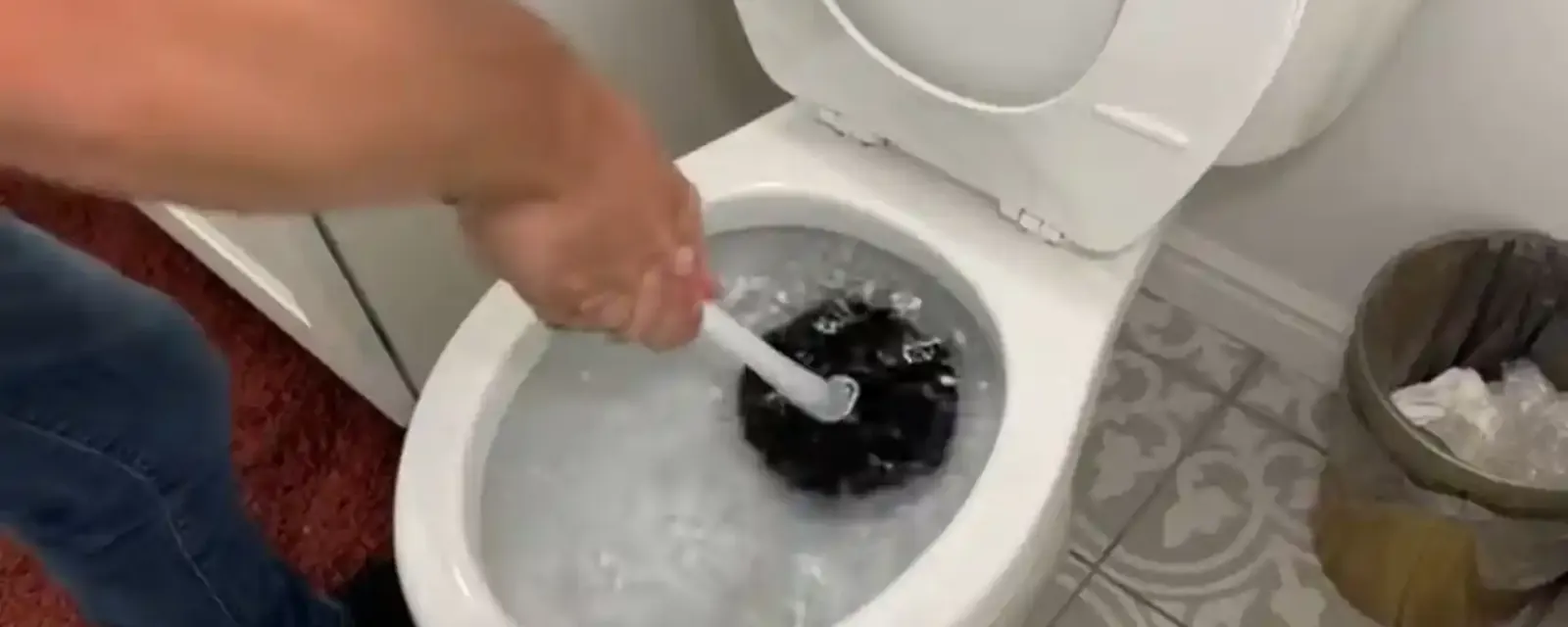
You prevent clogged toilets mostly by controlling what gets flushed. Toilet paper and human waste are the only things a bowl is built to carry. Wipes, even those labeled flushable, along with cotton swabs, paper towels, and dental floss, are the usual culprits behind a slow flush that ends in an overflow.
The second cause is the toilet itself. A weak flush, a partly blocked trap, or a drain line that is narrowing will clog a bowl no matter how careful you are. This guide covers both.
By the Morristown Express Plumbing team. Published October 30, 2026. Updated October 30, 2026.
The flush rules that stop most clogs
Post these where everyone in the house can see them, including guests.
- Flush only toilet paper and waste, nothing else
- Put wipes, floss, and hygiene products in a small lined bin
- Use less paper per flush, and flush twice for a heavy load
- Hold the handle until the swirl finishes
- Keep the lid down if small children are curious about what sinks
Why wipes cause such trouble
Toilet paper breaks apart within moments of getting wet. Wipes are woven, so they hold their shape and catch on rough pipe walls and roots further down the line. One wipe may pass, but the next catches on it, and a mass forms that no plunger can move.
If you have ever been told a product is flushable, treat that as a marketing claim and not a plumbing fact. The safe habit is simply to bin it.
Quick decision guide for a stubborn toilet
Use this to decide between a plunger and a call.
| What happens | Likely cause | Next step |
|---|---|---|
| Slow flush, one toilet only | Partial clog or weak flush | Plunge, then check the tank |
| Water rises, then drains slowly | Clog in the trap | Plunge, then try a closet auger |
| Tub or floor drain bubbles | Blockage in the main line | Stop using water and call a plumber |
| Repeated clogs every few weeks | Failing fixture or narrowing pipe | Plumber inspection |
Plunge the right way
Use a flange plunger, the kind with a rubber sleeve that folds out of the cup, because it seals inside the toilet outlet. Run a little hot tap water into the bowl if it is low, set the plunger so the seal is tight, and push gently at first to push out the air. Then pump firmly for about fifteen seconds and pull back sharply.
Stop if the water level rises toward the rim. Turn the supply valve behind the bowl clockwise to shut off the tank, so it cannot refill and overflow.
Signs the problem is not the toilet
One clogged toilet is a bowl problem. Several fixtures that gurgle, drain slowly, or back up at once point to a blockage further down, usually in the main drain or the sewer line. A shower that bubbles when the toilet flushes is a classic example.
Repeat clogs in the same toilet every few weeks also deserve attention. It may have a poor flush, a partly blocked trap, or a loose connection at the floor. A licensed plumber can repair or replace a toilet when the fixture itself is failing, or clear the line with drain cleaning when the blockage sits further down.
When to stop and call a plumber
Call when plunging fails twice, when water comes up in a tub or floor drain, or when sewage smell lingers. Avoid pouring strong drain chemicals into a toilet, since they sit in the bowl and can splash back or damage fittings.
A closet auger is fine for a shallow clog behind the trap, but forcing one deeper can scratch porcelain or push the blockage into a bend. If you are unsure, stopping early is cheaper than a cracked bowl.
Check the toilet's own flush
A bowl that flushes weakly clogs easily, even with careful use. Lift the tank lid and watch the flush. The flapper should lift high and drop cleanly, and the water level should sit at the fill mark. A rim with mineral deposits can also slow the jets that start the swirl.
These are small repairs that help a lot. A worn flapper, a short chain, or a clogged rim hole all weaken the flush, and fixing them often ends a run of clogs.
Habits for households with children
Toys, extra paper rolls, and wet washcloths make up a surprising share of stuck toilets. Teach older children the flush rules, and keep a plunger where everyone can find it. A toilet that jams on a sleepover night is the one you remember.
A lidded bin in each bathroom makes the right choice the easy one. Small habits like this prevent far more clogs than any product you pour into the bowl.
What a plumber checks for repeat clogs
For a toilet that clogs again and again, a plumber looks at the fixture, the closet flange, and the line beyond. A camera can show roots, scale, or a bellied section of pipe that holds water and waste. Cast iron drains in older houses often scale up inside and narrow with age.
If the line is the cause, cleaning it restores flow and makes every fixture behave better. You can read more about that process in the drain cleaning service pages.
A simple monthly routine
Once a month, flush each toilet and watch the bowl. Note any slow swirl, odd gurgle, or rising water. Check the base for dampness, since a loose flange or failing wax seal can show up first as a faint stain on the floor.
Wipe the rim holes with a small brush if you see mineral buildup. Keep a plunger and a pair of gloves under the sink. Two minutes of attention a month beats an overflow at an awkward hour, and it catches problems while they are still cheap to fix.
Guests are the wild card. A friendly note in the guest bathroom about what not to flush helps more than you might think.
Safe storage and quick response
Keep towels near the toilet and know where the shutoff valve sits behind it. If water rises toward the rim, close that valve at once, then stop flushing anything else in the house until the cause is found.
Morristown, NJ: who to call when a backup is not just your toilet
Morris Township Water Pollution Control Utility operates the sewer system for Morris Township, most of Morris Plains, and parts of Morristown, according to the township's website. During weekdays its sewer line is 973-326-7363, and evenings and weekends go through police dispatch at 973-539-0777. If every drain in the house backs up together, that call is worth making alongside ours, since the blockage may be in the public main.
Neighbors in Morris Plains and Morris Township share that same system. Discolored tap water is a different issue and goes to SMCMUA, not the sewer utility.
Frequently asked questions
It is safest to bin them. Wipes do not break down like toilet paper and are a leading cause of blocked lines.
A single clog is normal. If the same toilet clogs every few weeks, the fixture or the drain behind it probably needs inspection.
Generally no. The liquid can sit in the bowl, splash during plunging, and attack fittings, and it rarely clears a physical obstruction.
Gurgling usually means air or water is trapped in a partly blocked line. A plumber can check the drain and the vent.
Some older low-flow models flush weakly, which can lead to more clogs. Newer designs flush well, and a plumber can advise if yours is the issue.
If several fixtures back up, call a plumber and also report it to the utility that runs your sewer. In parts of Morristown that is the Morris Township WPCU.